

Introduction
Regenerative medicine is a fast-growing field that focuses on helping the body heal itself — and one of its most exciting tools is something called PDRN (Polydeoxyribonucleotide).
PDRN is a natural substance derived from the DNA of salmon — yes, the fish! It’s carefully purified and processed to be completely safe for human use. What makes it special is its ability to repair damaged tissues, calm inflammation, and improve blood flow to areas that need healing.
Over time, doctors and researchers across Europe, Asia, and beyond have started using PDRN in everything from skin treatments to joint care — and the results have been impressive. This article breaks down what PDRN is, how it works, and why it’s becoming a go-to option in modern medicine.
What Is PDRN Made Of?
PDRN is made up of tiny DNA building blocks called deoxyribonucleotides. These are extracted from salmon sperm cells and go through a rigorous purification process to remove any proteins that could cause reactions in the body.
Here’s what makes it so well-tolerated: salmon DNA is surprisingly similar to human DNA. Because of this, the body doesn’t treat it as a foreign substance — it simply uses it as raw material for repair.
Once PDRN enters the body, it breaks down into nucleotides (the basic units of DNA), which the body then uses to rebuild and regenerate cells.
How Does PDRN Work?
PDRN works through two main pathways — think of it as working from the outside in and the inside out:
1. It activates special receptors in your body PDRN stimulates something called adenosine A2A receptors — these act like switches that turn down inflammation and turn up healing. When activated, they reduce harmful inflammatory chemicals (like TNF-α and IL-6) and boost growth factors that help new blood vessels form.
2. It gives your cells the raw materials they need PDRN directly supplies the building blocks your cells need to repair and replicate DNA. Think of it like providing bricks to a construction team that’s already hard at work.
Together, these two actions make PDRN a powerful healing agent.
What Does PDRN Actually Do in the Body?
Here’s a simple breakdown of PDRN’s key effects:
- Reduces inflammation — calms overactive immune responses that slow down healing
- Builds new blood vessels — better blood supply means more oxygen and nutrients reach damaged tissue
- Boosts collagen production — supports skin firmness and tissue strength
- Speeds up cell repair — gives cells the tools they need to regenerate faster
Where Is PDRN Used?
PDRN has a remarkably wide range of uses — here’s where it’s making a real difference:
Wound Healing
PDRN has been extensively studied for chronic wounds like diabetic foot ulcers and pressure sores. It speeds up skin regrowth and helps form healthy tissue — especially in wounds that have poor blood supply and struggle to heal on their own.
Skin & Aesthetic Medicine
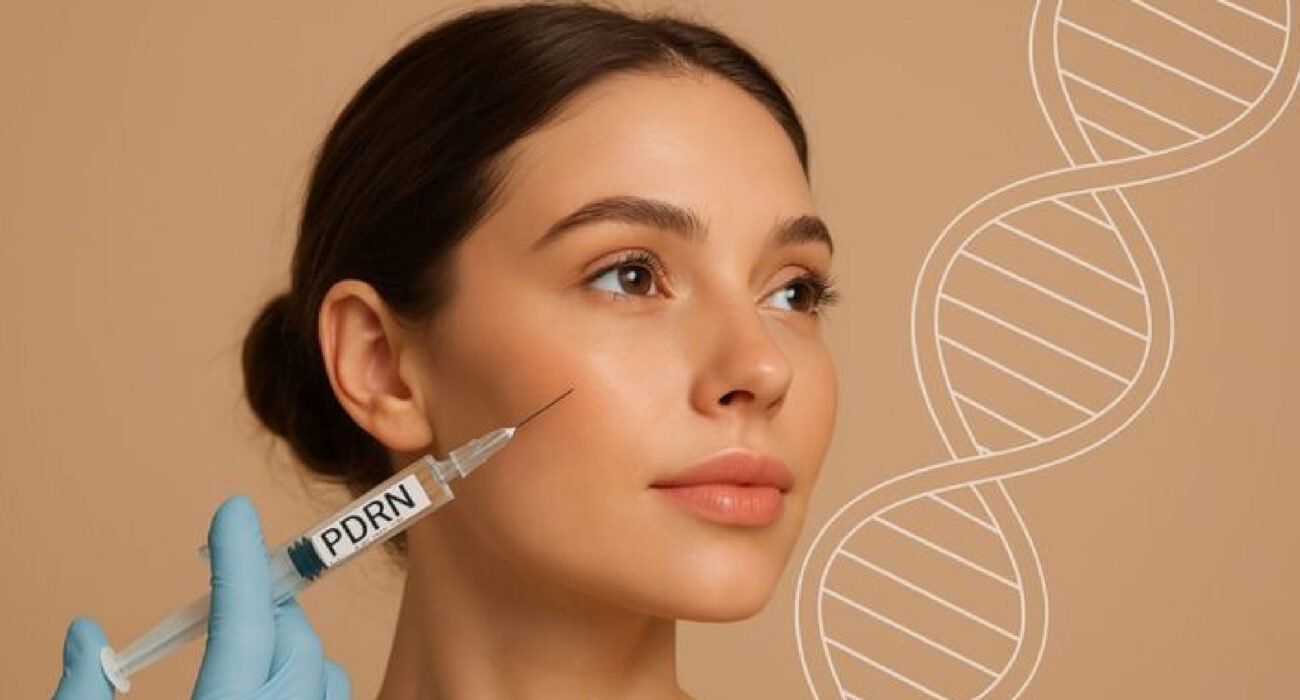
In aesthetics, PDRN is used to rejuvenate and refresh the skin. It’s injected just under the skin to improve texture, firmness, and overall glow. Common uses include:
- Fine lines and wrinkles
- Acne scars
- Uneven skin tone
- Sagging or loose skin
- Under-eye rejuvenation
It’s often combined with microneedling, laser, or radiofrequency treatments for even better results.
Joints & Sports Injuries
PDRN is increasingly used in orthopedics and sports medicine for conditions like tendon injuries, ligament damage, and osteoarthritis. It helps reduce pain and supports the repair of cartilage and connective tissue.
Post-Surgery Recovery
Surgeons use PDRN after reconstructive procedures to support healing, reduce scarring, and improve tissue remodeling.
Hair Restoration
Emerging research shows PDRN may help stimulate hair follicles by improving blood supply to the scalp, making it a promising add-on in hair loss treatments.
Why Choose PDRN? Key Benefits
| Benefit | What It Means for You |
|---|---|
| Highly compatible with the body | Very low risk of allergic reaction |
| Works through multiple pathways | More comprehensive healing effect |
| Reduces inflammation | Helpful for chronic and acute conditions |
| Wide range of uses | One treatment, many applications |
| Minimal downtime | You can return to your day quickly |
Is It Safe?
Yes — PDRN has a strong safety record. Most side effects are mild and temporary, such as:
- Slight redness at the injection site
- Minor swelling
- Brief sensitivity or discomfort
Serious reactions are rare, thanks to the thorough purification process.
One important note: People with a known allergy to fish or fish-derived products should inform their doctor before treatment. As always, PDRN should only be administered by a qualified medical professional.
How Does PDRN Compare to Other Treatments?
You may have heard of PRP (Platelet-Rich Plasma) or hyaluronic acid treatments. Here’s a quick comparison:
- PRP uses your own blood’s growth factors to promote healing — great, but relies entirely on what your body already has.
- Hyaluronic acid adds volume and hydration to the skin, but doesn’t actively regenerate tissue.
- PDRN goes a step further — it provides the actual building blocks for cellular repair and actively tells your body to heal and rebuild.
Many clinics are now combining PDRN with PRP for a synergistic, more powerful effect.
What’s Next for PDRN?
Research is ongoing, and scientists are exploring exciting new frontiers for PDRN, including:
- Nerve regeneration
- Heart and blood vessel repair
- Treatment of tissue damaged by poor circulation
- Dental regeneration
- Advanced anti-aging therapies
New delivery methods — like nanoparticle carriers and slow-release formulas — may also make PDRN even more effective in the future.
Final Thoughts
PDRN is not just another trendy treatment — it’s a scientifically grounded therapy that works with the body’s natural healing processes. Whether it’s repairing a chronic wound, refreshing aging skin, or supporting a recovering joint, PDRN offers a gentle yet powerful approach to healing.
As research continues to grow, so does our confidence in PDRN as a cornerstone of modern regenerative medicine.